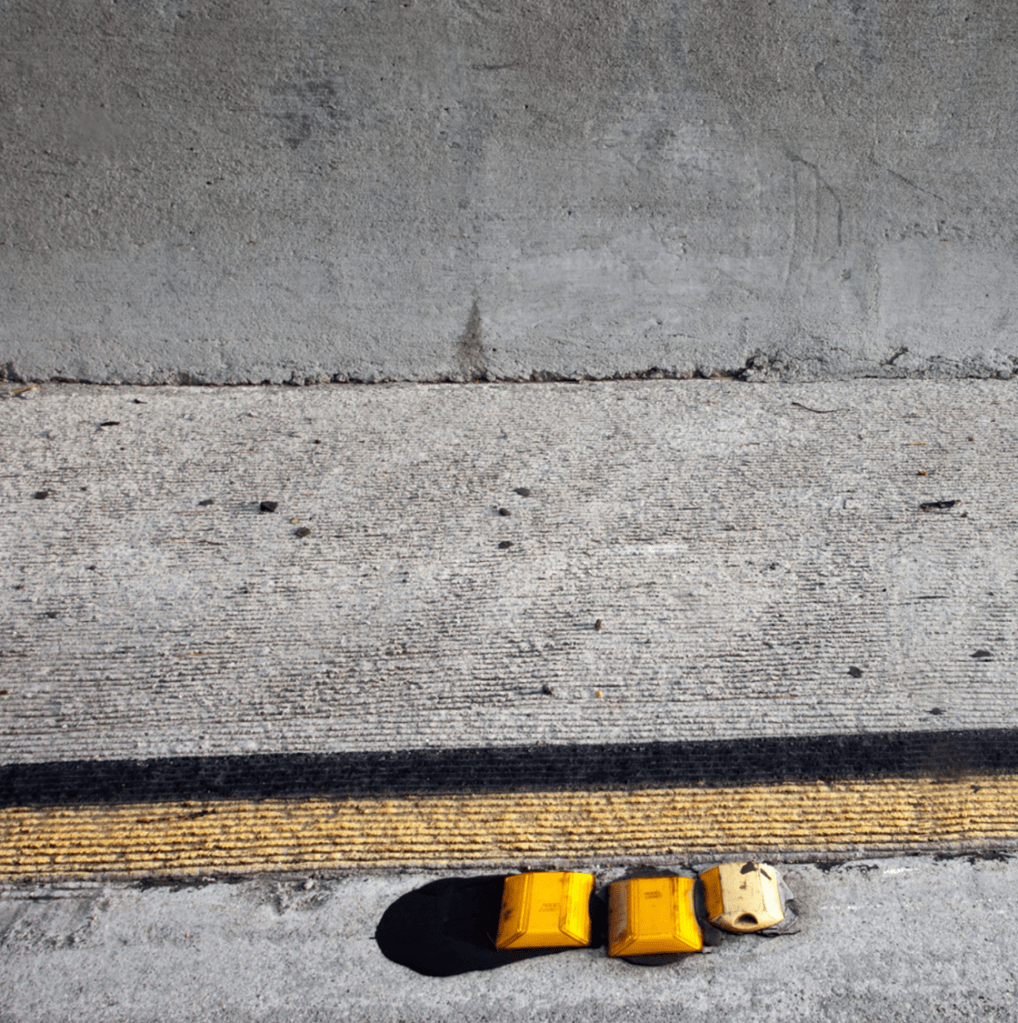
We stopped at the farm because Mari wanted to see her grandparents.
The highway turned to farm road to cracked blacktop to gravel winding between rows I couldn't identify.
A straw hat moved among the rows, stopped. A shot ran out. I jumped in the back seat.
"Grandpa must've found a snake."
I walked with Mari to the house, comically citified in vintage store Dickies & Vans. Grandpa shook my hand, a child's hand in his rough, raw shotgun hands.
We drank chicory coffee, eating a storebought lemon cake.
"Come see the peaches."
Grandpa plucked one hanging deep in the boughs. We ate beneath the trees heavy with fruit, sequined by the sun.
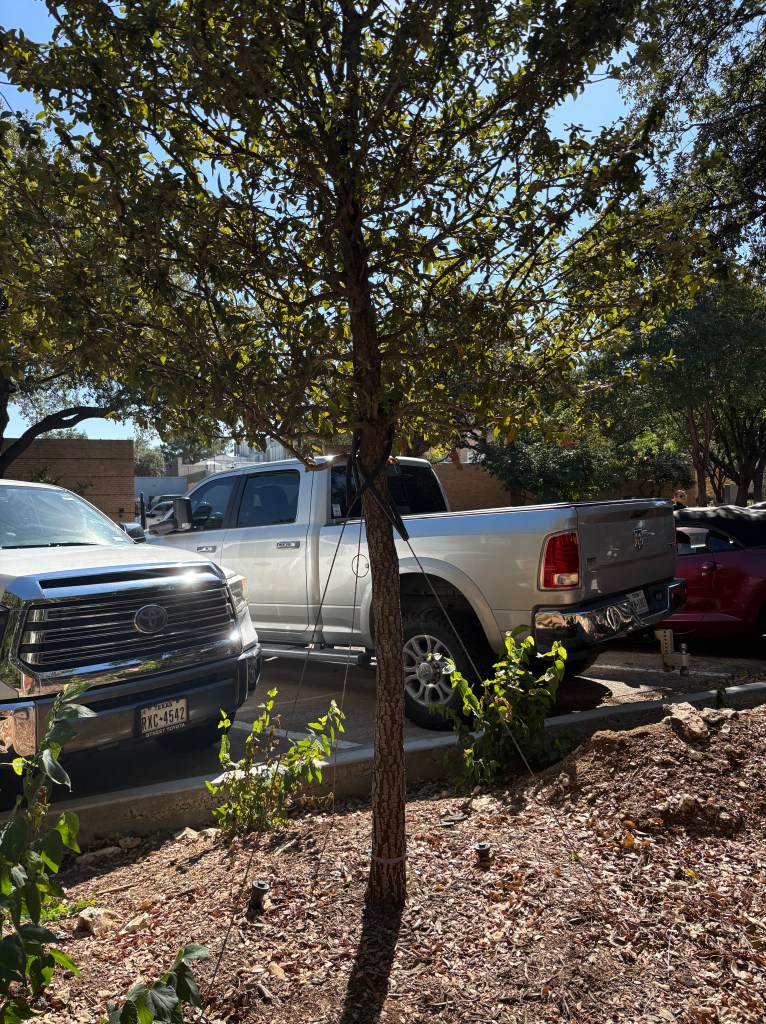
Ours is a campus distracting, downright manic in its care. Counselors, specialists & advisors lining its expensive halls. Every student an honors student. So the manicured lawns & catalogued trees fit. One tree so young no bird could find room to nest in it. One tree in a line of dozens not yet tagged but firmly roped to the ground, a blue ribbon low on its wrist-thick trunk. Hope springs eternal for small things. Listen for its wind-tousled rustlings.
I have a better understanding now of love but not of loss. I have children & a wife, happy & healthy, none of whom has suffered anything uncommon to middle class bubbles. No cars have been mangled, the seats & buckles haven't failed, and AAA arrives in the rare moments we need help. Teachers love my children & share good news. No detentions or reports burden us.
It has often been this way, this flow of joys interrupted with the rare heartbreak. Music & books, clouds & birdsong sustained me while my wife worked hard into the night, Friends & concerts, nights laughing in parks while my parents struggled & sacrificed for me. Grad school prolonged an untested belief in beauty when others suffered & lost (& even died).
Perhaps now I'm fueling a reserve of good will, good health, & good fortune to draw upon in some hospital years from now. Experts, harried, will explain the diagnosis, my family will adjust their schedules, will delay long-hoped-for plans, will lose sleep, caring for the frail me I can only imagine. May I have the strength to find the joy then that I take for granted now. May my family feel that the end of a good life need not be a loss at all.
This was originally just the first & the last stanzas. Adding the middle one made it a kind of sonnet, in my mind.
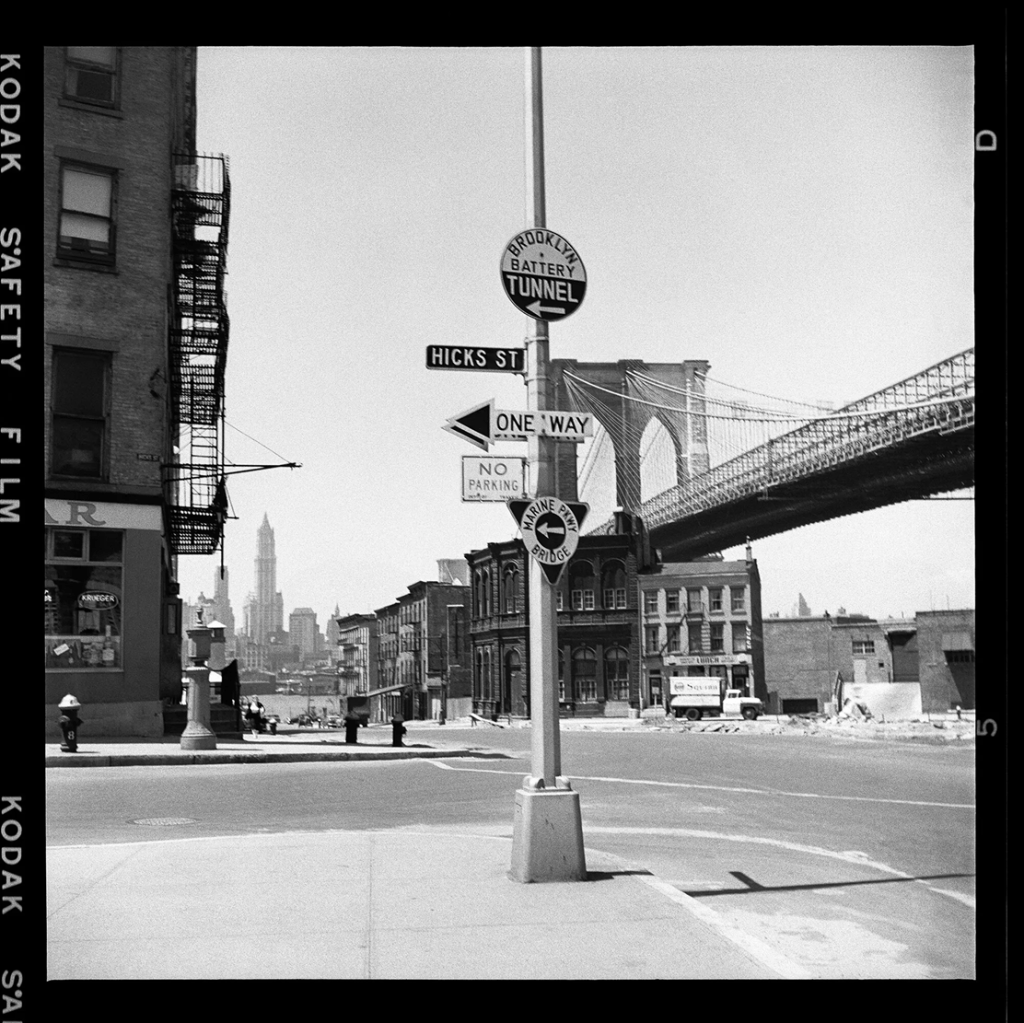
My first grade teacher was a tall kind-hearted joyful woman. Her hair was perfect, symmetrical waves of the brightest red framing her clean forehead, blooming from the front of her veil. We were told that her hair went far down her back. I never saw it. My mother did.
I loved that teacher with something about as pure as how she loved me, about as pure as how she loved Jesus. I loved her so much that I was jealous of how she loved other kids, of how sometimes my mom talked to her and had business with her that didn't include me.
There's a photo of a bicentennial cake taking up her entire classroom: Donated refrigerator boxes covered with construction paper, toilet paper tubes fashioned into two hundred birthday candles. And another photo of our First Communion, innocent children lined up by height, led by her to the altar, identical Amens synchronized and choreographed to purity and perfection.
And picture day, a rare day out of our uniforms. I had a new shirt with Mexican embroidery on the pockets. At the front of the line, she stood, dabbing Vaseline on each student's lips. She put her hands on my shoulders and told me I was handsome. "Smile, honey."
Her name was Sister Rosaline. That entire year she taught me first grade, she also served as a prison chaplain, as she did for years after. After she retired from teaching, she served in hospital ministry until her death in 2007.
Some sparks are effortless. Some remind you that sparks fly only when there’s friction, collisions between strong materials.
Because it was a Texas college town in the 90s, there were cigarettes. She smoked a lot. He was surprised if he saw her not smoking. She had the reputation of holding her own. He only knew guys that talked as much as she did, but not usually in dialogue. His friends would hold forth on a band or on a movie, and the fun was sitting back and seeing how long they could unspool the thread. She held her own, not minding where the conversation went, not seeming to have any real stake in the matter. Another cigarette, another chair pulled up to the crowded tiny cafe table, the sun inching slowly away. She listened, she smoked dramatically, deeply, she locked you in her gaze, and she talked back. Maybe that’s what’s so attractive about some young women to some young men. They see and hear so clearly, so openly. Some young men confuse that attention with love. He did.
She transferred schools without telling him. It took him nearly a year to notice. When he asked about her by chance, he misspelled her name in his head, never having written it down to get her phone number, which he never asked for, which she never offered. He had always just run into her. Never sought her out, never missed her, even that almost-year that she was in another state, smoking cigarettes somewhere else surrounded by other unshaved unkempt young men. Years passed. Both graduated. Neither of them lived in that Texas college town anymore.
And then she came to Texas for some reason, a return that became a big deal, one that neither of them anticipated.
Who gave him her number? Or did she call him? How did she wind up in his town instead of the college town? Where did she stay that night? Why was she alone? He looks back, he lived it, and he cannot remember. True chance, true sparks.
He told her that he’d be at the movies with friends that night. A massive theater, packed for some Merchant Ivory film. He saved her a seat. He hadn’t bought her a ticket, hadn’t waited in the lobby, since he wasn’t sure she would come. She did. He found himself watching the movie, not the aisle. A figure walked up and down. Her. She saw the one free seat in the packed theater, a seat he had saved (but not paid for) for her. He pointed at the seat. She pointed back to the lobby. He sidestepped over his friends, the movie running politely, Britishly before him.
With each step up the aisle, he knew he would not be returning to the movie. With each step, he sensed that this was a sign of things to come — following where she led. There was a bar in the theater. They sat at a table and smoked and talked.
She laughed freely, looking him in the eye. She talked with her whole body, sometimes leaning into his space, her hand on his. How many had she charmed in this way?, he wondered. Had she missed me?Had I missed signs all those years ago?What is happening here?
The movie ended; the friends entered the bar but kept their distance. She went back to Iowa. He saw the movie later, wondering what she’d think of its sometimes oppressive sentimentality. He never asked.
He discovered that she could call him at work for free, using the company’s 1-800 number. They talked for hours each day, her at whatever job she had, him in the copy room, all four machines churning & chugging noisily. Somehow in these stolen conversations weekday afternoons, they hatched a plan.
Did she have roommates in Iowa that she’d left ? What was her major? What job did she have there, and why did she leave it? What was her roommate’s name, the one who told her that he was one to hold on to? He looks back, he lived it, and he cannot remember, not a thing.
A year after he followed her to the bar in the theater, he followed her to another city, a city where they knew nobody, where they had no jobs. They shared an apartment with another couple, eventually finding one of their own. Cigarettes & books in bed each night, their own ritual of silent contemplation under the same blanket, the winter wind whipping outside like neither had ever heard before.
He loved one book so much that he ripped it in half, handing her the opening 150 pages while he finished the story. He couldn’t wait for her to find out what happened in the end.
What we call growing up is a series of blessings. Hands that bathe & clothe us, voices that soothe & serenade us.
Friends pass in & out, not knowing what they might meant to us or to one another. Some of them take root. Family members in far flung places confuse us — names almost like yours, faces like some funhouse mirror version of your parents’, houses & habits curious enough to make you wonder how this is their normal. And the quiet discovery that blood deep though you may be with one another, you are as foreign & perverse to them as they are to you. If they think about you at all, which they rarely do.
There’s a shift that nobody prepares you for: when you stop talking about growing up and move to talking about growing old. You recognize with some surprise (maybe even alarm) that you’re no longer the youngest person in the room. You pass mannequins & wrinkle your nose at what passes for handsome, what passes for stylish. Things are passing you by, and the passing stings.
What do we call this time? Middle age … if we have children, perhaps; if we have older parents, definitely. Maturity … almost never. That word, a sucker punch targeting the young, a word to criticize their carefree here & now for being carefree, for focusing on here only, now only, for reminding us of our worry-riddled everyday.
What is this self that we have become, and where are its blessings?