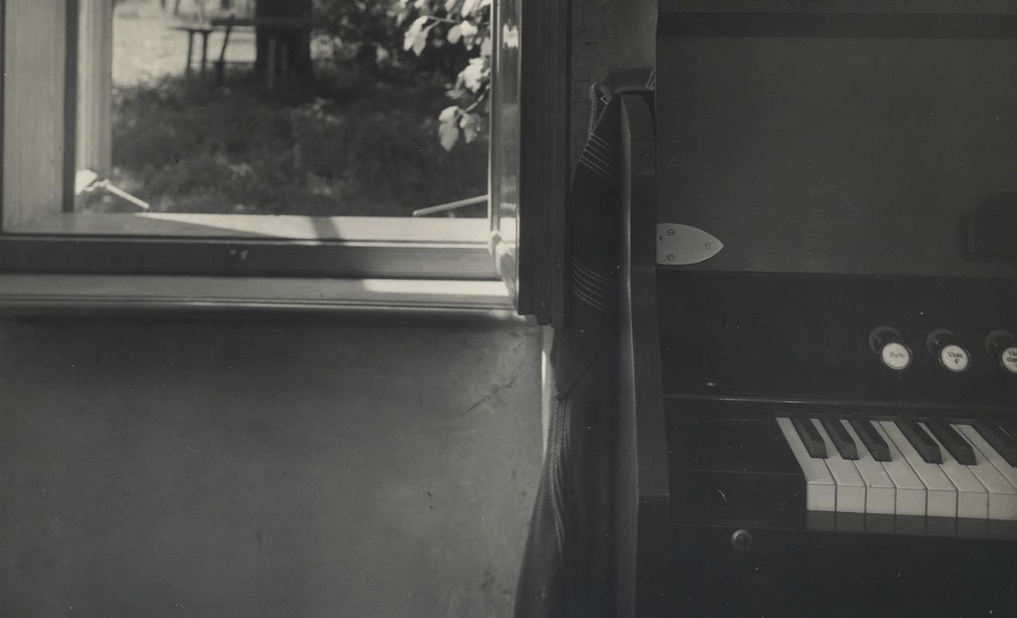
There’s a place for your hands
And another for your feet.

You look. You breathe.
You count. You play.

It’s just as responsive as you
would hope wood would be.

Eventually you learn to play
with your whole body

like you’re gently blessing
the music into the keys,

your elbows nudging,
your wrists pliant,

your fingers curved
and lifting,

a fragrant sheet
caught on a line.
These days my mornings
begin outside with the sun
in my face. Texas
makes this difficult most days
what with heat and mosquitos.

But it’s a habit
now -- a tan line on my nose
where my glasses sit.
“Here’s another day,” I think.
And here too am I. Thank God.
The day's first email --
subject line: "Confidential."
A kid in crisis
is bravely getting some help.
Looking up from the email,

I see her come in
like it's just another day --
which, I guess, it is.
Still, every word & gesture
becomes a sign, a warning.


If you or someone you love needs help, please know that there are resources out there. This is a kind of tanka poem. Sorta.
Far down the page --
past news of war,
past opinions
& perfume ads,

past covid charts
& thinkpieces
(this one about
arctic penguins) --

"Rain Boots We Love".
And I recall:
It's April now ...
spring has returned.

I saw it just
today, parking
under budding
trees -- a sky grey

with the promise
of that patter
that redirects
human focus.

And tomorrow
all of the girls
will reach way back
in their closets

for the right shoes.
Pulling bootstraps
over bare legs,
toes & soles gleam

wet & bright with
long awaited
rain, finally
just underfoot.

This was written in response to a challenge to compose a poem based on a news item.
I was the first in my line because I was the shortest boy.
Across the aisle, Claudia was at the head of a long line
of girls in white, veiled & serene, palms pressed in prayer.
Two by two, we received the Body of Christ & returned to the pews, solemn, sacramental. Later, a man leaned over me, his hand
on my shoulder. "Now you're one with God." I thought I already was.
This one is anothercherita.
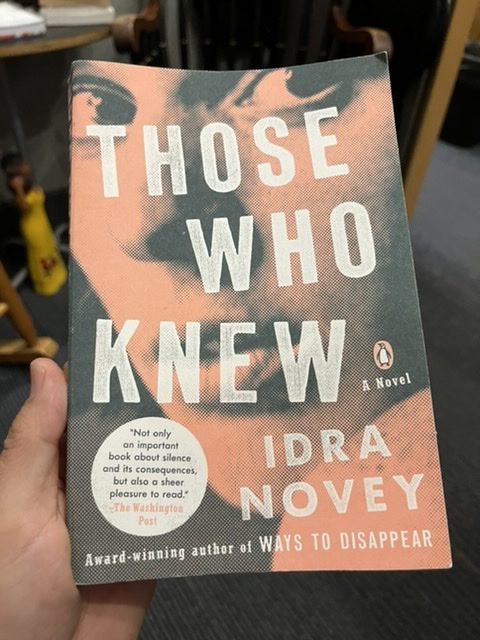
Those Who Knew isn’t the kind of story you’d call sweeping, but it is. In a taut novel, Idra Novey creates the broad gaze of a brutal history, both political & personal, shifting between perspectives & characters, genres & times. You open the book on an unnamed island with characters who have inherited much from a brutal regime: Lena, the granddaughter of juice manufacturers & upper-class supporters of Cato (the now deposed brutal ruler); Olga, the former political prisoner mourning the loss of her beloved S. and now running a bookstore slash weed business; Victor, a former student protestor become senator, with a history & a tendency for violence; Freddy, his brother, a playwright recollecting & interrogating the role of his family in the suffering of the country.
Novey moves between Freddy’s scripts (all thinly veiled political criticism against his brother), Olga’s transaction log (all lovesick attempts to keep S. alive in her heart), and a more traditional narration. The novel moves forward in two big shifts—the now of Part I, resolving in 9/11; Part II, six years later when some figures have had children; and Part III, where several characters must confront choices & realities that have merely weighed on them up until now. There are business fortunes & romantic fortunes, political campaigns & public relations catastrophes, as well as moral dead ends & restorative second chances. It’s a lot, but it never feels like a heavy or difficult novel.
The resolution is a kind of baptism & escape, one in which bad things happen to bad people and we know why, good things happen to good people and we know why. It’s a really satisfying and rich read. You can read about other stuff I’ve read here.
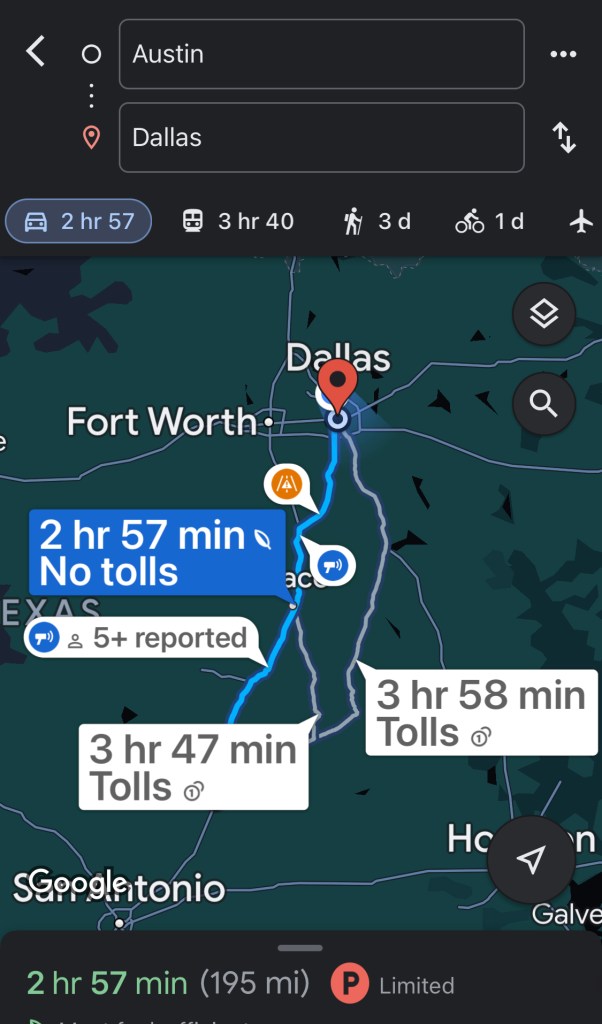
Once we hit the highway, she said, “I think we should get married.”
Two hundred miles from home. No stops planned. No one else in the car. No way for me to avoid what this lovely girl said.
Three hours, two people, one question: How much longer did I need
to know that she was the one? One thing I knew for certain.
She knew how to pick the right moment -- and for her, the right guy.
This is a cherita, that is, a six-line poem that consists of three stanzas — one line in the first stanza, two in the second, & three in the third.
A match aflame
is held aloft.
Fire focuses
the eye, the mind.

But these eyes aren’t
a match. A flame
won’t catch these eyes,
any of them.

The field once green,
now roaring from
a match, a flam-
ing horizon.

Make a wish. Then
a quick escape.
Behold, beware
a match aflame.


This poem is my response to a writing challenge--four stanzas of four lines each, four syllables per line, with one line repeated in lines 1, 2, 3, 4 of stanzas 1, 2, 3, 4.
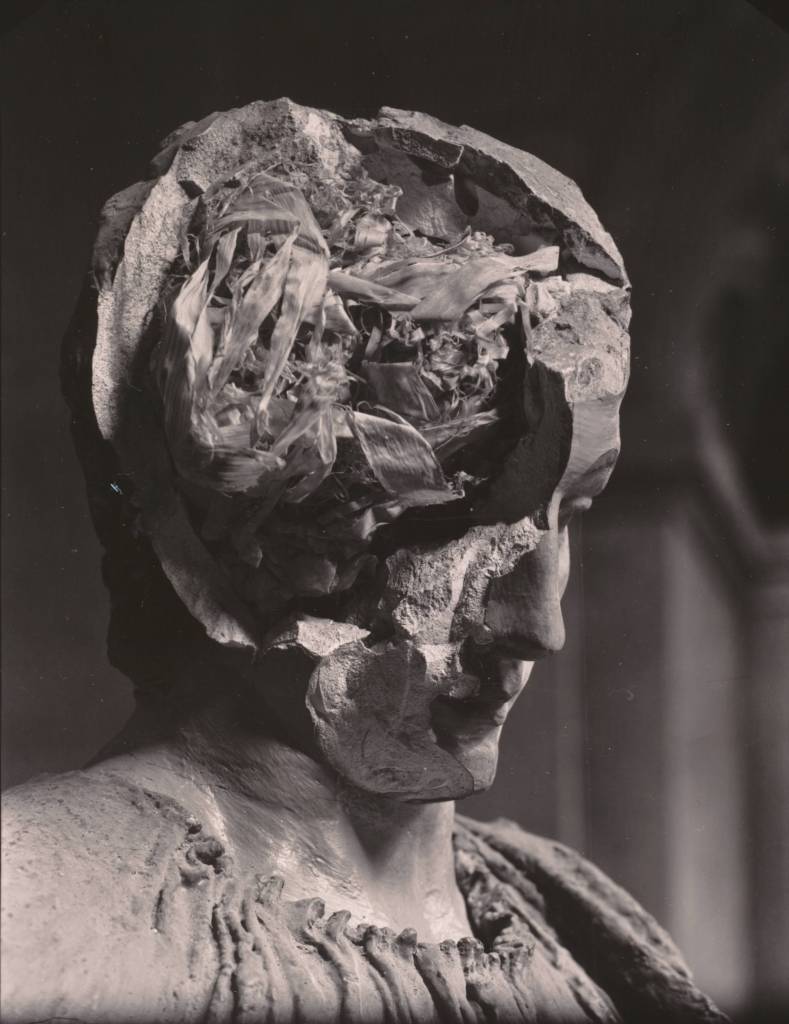
i've underestimated
the pleasure of things
catalogued, things put in place.

to know that we agree
"this is a badger. this is not
not a badger" satisfies

like a well built
chair. rest & know
that we can rest & know,

that the cataloguing, the naming
can be beautiful, that a name
can fit & fit well.

we can even refit, replace:
firefly. lost love. still life.
artwork. plaything. like

this girl in her place,
still, pale, except
the color of life on

her mouth, the glistening gaze
behind the brittle thicket
surrounding, adorning her.

the babe in the wood,
aflame in twigs, clothed in
dried delicate proportion,

packaged & shelved,
awake & alert
to all on the other

side of the glass.
This is an ekphrastic poem I wrote with my students, that is, a “a vivid description of a scene or, more commonly, a work of art.” Here’s another one I wrote about a mobile by Alexander Calder.
I don’t read enough nonfiction, and when I do, it’s usually a first-person memoir. Not a lot of footnotes, not a lot of history — all big ideas & institutions, thorny questions & issues narrowed to the snails-eye view of a single person. I need to grow out of this reading habit, I know. Novelist Alia Trabucco Zerán guided me down a nonfiction path that I don’t often walk.
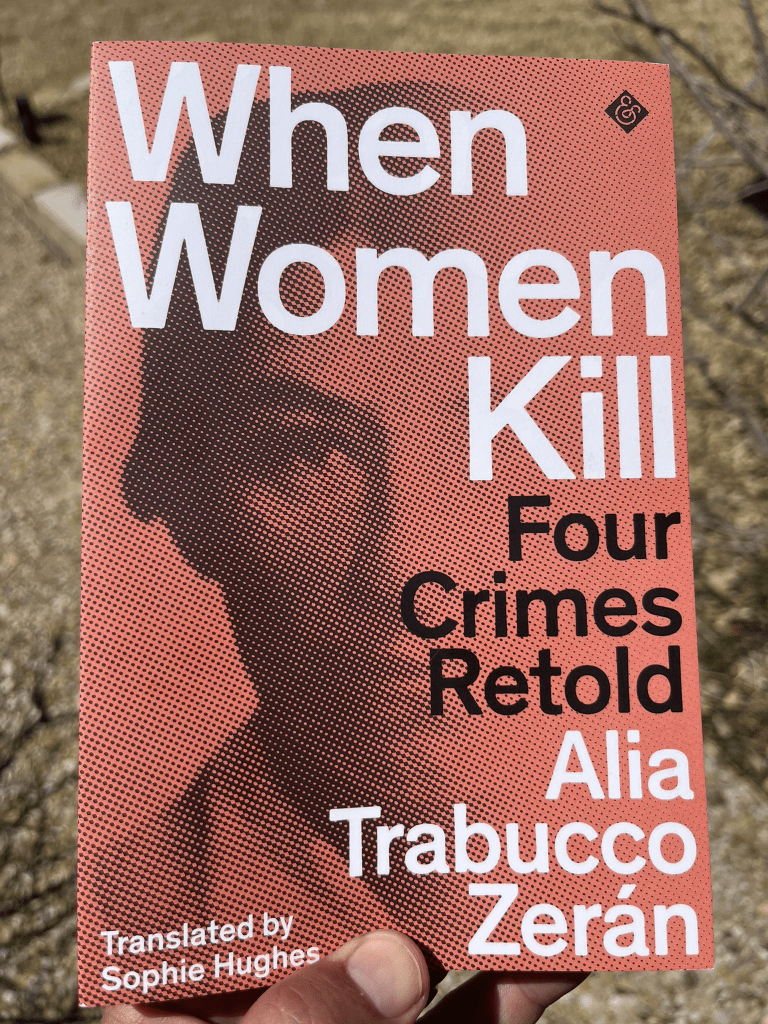
Her When Women Kill: Four Crimes Retold offers readers like me a powerful & accessible blend of research & reckoning, of storytelling & reporting. Focusing on Chile in the 20th century, Zerán revisits four notorious crimes, notorious not only for the shocking brutality of the murders but also for the way that the brutality challenged contemporary notions of femininity, of wifehood, of sanity, of hysteria.
Throughout each account, Zerán interrupts her accounts for detailed research notes–a look at how the research happened, how librarians react to her curiosity, how she herself unveils her own understandings of her country & herself.
The recurring threads (hysteria as a defense, the misogyny standardized within Chilean law, the deployment of psychology as a way of understanding the crime & shaping the punishment) got me thinking anew about how gendered my lens is personally, as a reader, as a teacher, as a father.
It’s a curious book to be excited about, to recommend, but it’s one that is so varied in its style & focus that if you don’t appreciate, say, the Law & Order aspects of it, you just need to hold on for a few pages before Zerán shifts to a different (equally compelling) writerly lens.
PS This book was translated from Spanish to English by Sophie Hughes, who also translated Zerán’s award-winning novel The Remainder. If you want to check out more of what I’ve read, click here.





 middleagedmiddlechild.